
PVPC or free market: which electricity tariff suits you in Spain
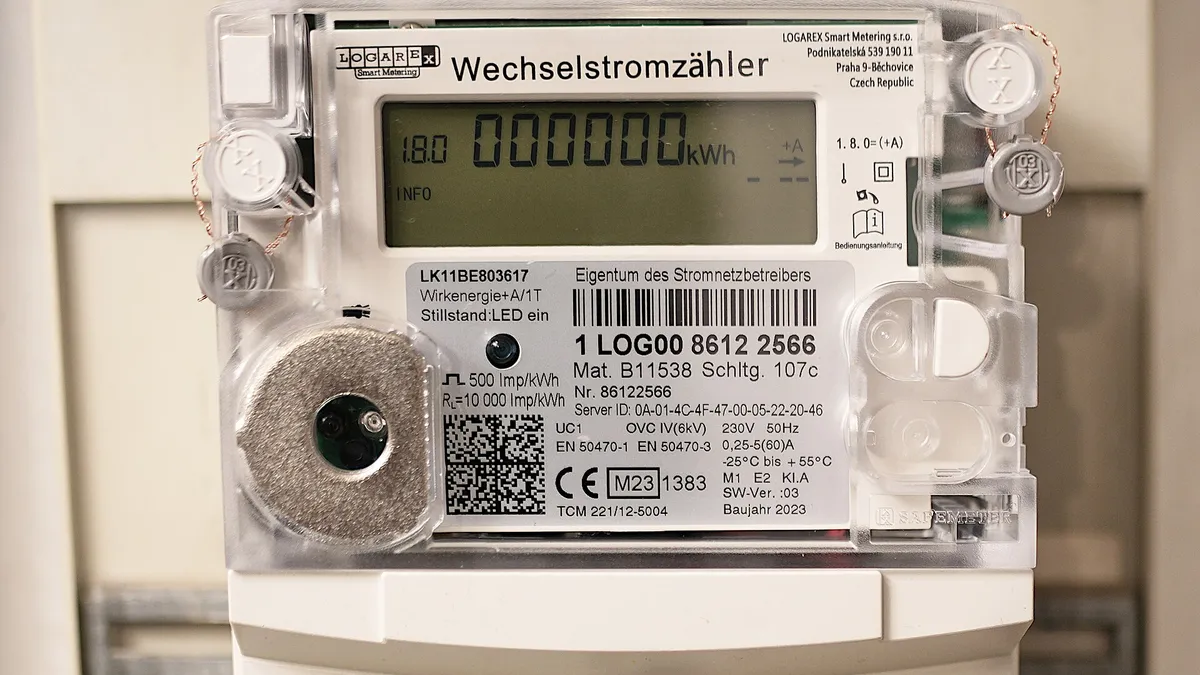
In Spain there are two ways to buy electricity for your home: the regulated PVPC tariff and free-market offers (mercado libre). There is no answer that works for everyone: it depends on when you use electricity, how much you value a fixed price and whether you qualify for the social bonus. This guide explains how they differ and how to compare them with your own numbers.
What each one is
PVPC (Precio Voluntario para el Pequeño Consumidor) is the government-regulated tariff. The energy price changes every hour and is published the day before. Only reference suppliers (comercializadoras de referencia) can offer it, and it is available for contracted power up to 10 kW. To learn more, read what is the PVPC.
Free market covers every other offer. Each supplier sets its own prices: a fixed price all day, different prices by time band, or a price indexed to the wholesale market plus a margin. The terms (price, length, tie-in period, extra services) are up to the company.
The main differences
| PVPC | Free market | |
|---|---|---|
| Energy price | Changes every hour | Set by the supplier (fixed, by time band or indexed) |
| Who offers it | Reference suppliers only | Any supplier |
| Tie-in period | None | Possible |
| Social bonus (bono social) | Yes, PVPC is required | No |
| Predictability | Low: changes every day | High with a fixed price |
| Extra services | No | Often (maintenance, insurance…) |
Tolls and charges (the regulated part everyone pays) are the same either way. What changes is the cost of energy and the supplier’s margin.
Pros and cons of the PVPC
Pros:
- No large commercial margins: the price comes from a public formula.
- If you can move consumption to cheap hours (washing machine, dishwasher, water heater, electric car), you benefit from sunny middays and nights, which are usually much cheaper.
- It is the only way to get the social bonus.
- No tie-in period and no add-on services inflating the bill.
Cons:
- The price changes every day, so one month’s bill can be quite different from the last.
- When wholesale prices are high, as in 2022, the PVPC rises faster than many fixed tariffs.
Since 2024, part of the PVPC energy cost is based on forward markets (contracts signed months or years ahead) instead of only the next-day price. That share has grown every year, which makes today’s PVPC much less volatile than in 2022.
Pros and cons of the free market
Pros:
- With a fixed price you know what each kWh will cost for the whole contract.
- Some offers are genuinely cheap, especially welcome promotions.
Cons:
- Harder to compare: every offer has its own structure, and some discounts only last a few months.
- Fixed-price offers include a margin to cover the risk of the market rising, and you pay it even if it doesn’t.
- They may have a tie-in period or services charged separately.
- You cannot get the social bonus.
How to compare with your own numbers
The most reliable way is to look at your real average price:
- Take a recent bill and find the amount for the energy term (without power, taxes or meter rental).
- Divide it by the kWh used. That is your average price per kWh. Our guide on how to read your electricity bill shows where each figure is.
- Compare it with the price per kWh of the free-market offer, with or without taxes but the same way for both.
- Compare the power price too (€ per kW per day or year). Free-market offers sometimes charge more for it.
Do this for several months, ideally one in winter and one in summer, because the PVPC varies a lot by season. Our price history has the average for every month since 2021 to give you an idea of typical costs.
As a rule of thumb:
- If you use most of your electricity on weekday evenings and nights and cannot change that, a good fixed tariff may pay off.
- If you can concentrate consumption at midday, overnight and at weekends, the PVPC is usually hard to beat.
How to switch
Switching supplier is free, and you do not need a new meter or a technician visit. You only need the CUPS (the supply point code printed on your bill) and the account holder’s details.
- To move to the PVPC, sign up with a reference supplier. The largest are Energía XXI (Endesa group), Curenergía (Iberdrola), Comercializadora Regulada Gas & Power (Naturgy) and Régsiti; the full list is on the CNMC website. Check that the name says “de referencia” or “regulada”: the same groups also run free-market suppliers with similar names.
- To move to the free market, sign up with the supplier you choose. It cancels your previous contract for you.
The switch usually takes a few days to a few weeks. Before switching, check whether your current contract has a tie-in period and what the penalty would be.
Summary
The PVPC rewards people who can shift consumption to cheap hours, and it is required for the social bonus. The free market gives peace of mind with a fixed price, in exchange for a margin. Work out your average price from your bills, compare it with the offer and, if you stay on the PVPC, check tomorrow’s electricity prices to plan your day.