
Why is electricity cheaper at midday in Spain? How solar power shapes the PVPC
Look at the electricity price on a sunny spring day in Spain and you will see a very typical shape: low prices overnight, a deep dip at midday and a sharp rise as the evening comes in. A few years ago the cheapest hours were always at night. Today, on many days, the cheapest hour is lunchtime. Here is why.
How the electricity price is set
Most of the PVPC energy price comes from the wholesale market, which sets a price for each hour (or each quarter-hour) of the next day. It works like this:
- Power plants offer their energy at a price, from cheapest to most expensive.
- Offers are accepted until the expected demand for that hour is covered.
- The last plant needed sets the price for everyone.
Renewables (solar, wind, run-of-river hydro) have no fuel costs, so they offer their energy very cheaply. Gas plants have to buy gas and CO₂ allowances, so they offer much higher. That means:
- When there is so much renewable power that gas is not needed, the price drops.
- When gas has to step in to meet demand, gas sets the price for that hour and electricity gets more expensive.
The solar effect
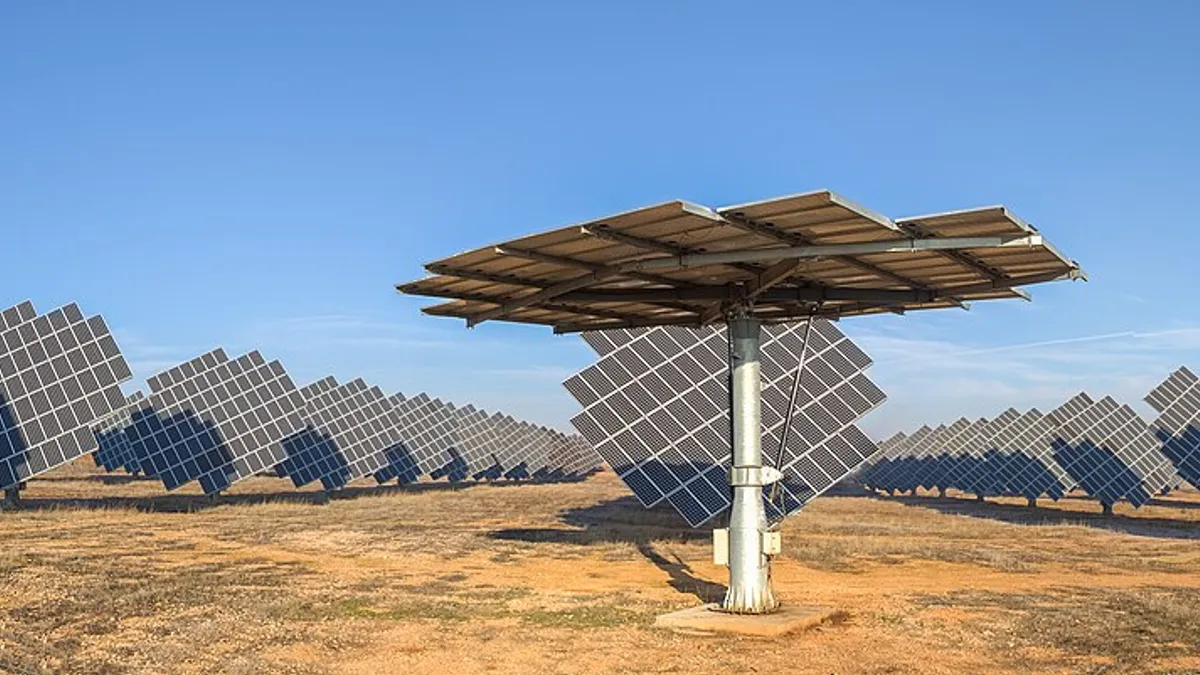
Spain now has a huge amount of solar capacity. In the middle of a clear day, solar alone can cover a large share of demand. The result:
- At midday, with the sun high, there is plenty of cheap energy and the wholesale price collapses. In spring, with wind and rain as well, it sometimes reaches €0/MWh or even goes negative.
- In the evening, solar fades just as people get home, cook and switch on lights and heating. Demand rises, there is less renewable power and gas sets the price again.
The demand left for other plants, with a dip at midday and a steep evening ramp, is known as the “duck curve”.
Why it is never free on your bill
Even when the wholesale market hits €0, the PVPC for that hour is not zero. On top of the energy price come:
- Transmission and distribution tolls and system charges, which depend on the time band.
- Other regulated costs (balancing services, capacity payments, funding for system services).
- Since 2024, part of the energy cost is based on forward market prices, which are the same for every hour and narrow the gaps.
What’s more, on the 2.0TD tariff, weekday midday is peak (10 am to 2 pm) or standard (2 pm to 6 pm), so it carries higher tolls than overnight. Even so, on very sunny days the wholesale slump more than makes up for those tolls and midday ends up the cheapest time. You can see the periods on our time bands page.
Not every day is the same
The midday dip depends on the weather and the season:
| Situation | Usual cheapest hours |
|---|---|
| Sunny spring and summer days | Midday (roughly noon to 5 pm) |
| Cloudy or winter days with little sun | Overnight (2 am to 6 am) |
| Very windy days | Many hours can be cheap, including at night |
| Weekends | Cheaper overall: lower demand and off-peak tolls all day |
The priciest hours, on the other hand, tend to repeat: 7 pm to 10 pm in winter and a little later in summer, when high demand meets fading solar.
How to take advantage
- Don’t go by habit: check tomorrow’s electricity prices before scheduling. On many days it no longer pays to wait for the night.
- Schedule the washing machine, dishwasher or tumble dryer for midday if you are at home or they have a delay timer. The calculator shows how much you save depending on the hour.
- If you have an electric water heater, let it heat at midday on sunny days and overnight on cloudy ones.
- If you have solar panels, midday is doubly good: you use your own energy instead of buying it.
- Avoid the evening peak whenever you can.
Summary
Electricity is cheaper at midday because solar power floods the market and pushes out gas plants, which are what drive prices up. In the evening the opposite happens. The effect is strongest in spring and on clear days, so the best approach is to check tomorrow’s prices every day. Our price history shows how the average price changes from month to month.