
Solar panels with the PVPC tariff: how surplus compensation works in Spain
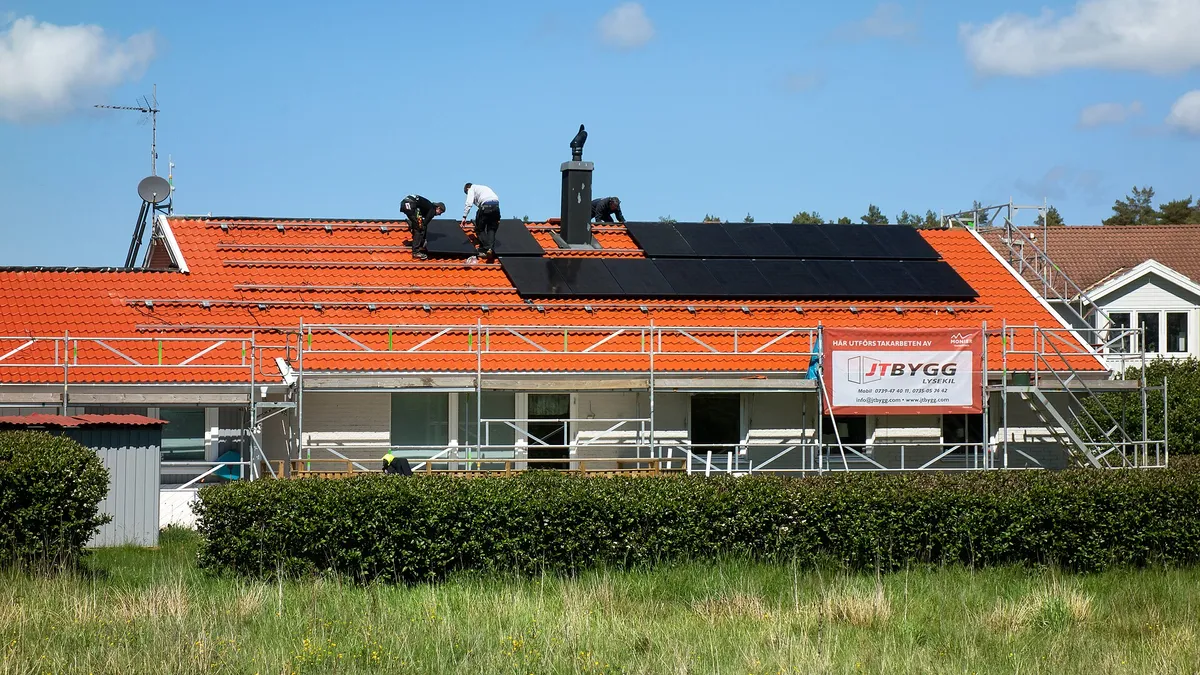
More and more homes in Spain have solar panels on the roof. If yours does, or you are thinking about it, it is worth understanding how self-consumption (autoconsumo) works with the PVPC tariff: a kWh you produce and use yourself is worth far more than a kWh you send to the grid.
The three types of self-consumption
Royal Decree 244/2019 regulates self-consumption in Spain and distinguishes three cases:
- Without surplus: the system prevents any energy from flowing to the grid. Whatever you don’t use is lost (or goes into a battery).
- With surplus and compensation: the energy you don’t use goes to the grid and is discounted from your bill. This is the usual option for homes, available to renewable systems of up to 100 kW.
- With surplus but no compensation: you sell your surplus on the market like any other producer, with the paperwork and taxes that involves. It rarely makes sense for a home.
This guide focuses on simplified compensation (compensación simplificada), which is what almost everyone has.
Two very different prices
With panels and compensation, your energy has two values:
- Energy you produce and use at the same time (instant self-consumption). Each kWh is one you don’t buy, so you save the full PVPC price for that hour: energy, tolls and charges, plus the electricity tax and VAT on top.
- Energy you don’t use and send to the grid (surplus). That is compensated at a much lower price.
On the PVPC, surplus is valued at the wholesale market price for each hour, minus the cost of imbalances. No tolls or charges are included. And because panels produce most at midday, exactly when the wholesale price is lowest (see why electricity is cheaper at midday), surplus is usually worth just a few cents per kWh, and sometimes almost nothing in spring.
So the golden rule is: every kWh you use yourself is worth several times more than every kWh you export.
The compensation cap
Compensation has an important limit: on each bill, the surplus discount cannot be more than the energy term for that period.
- It can bring the energy part down to zero, but it does not reduce the power term, the meter rental or taxes that don’t depend on energy.
- If one month you export more than can be compensated, the excess is lost: on the PVPC it does not carry over to the next month.
Some free-market suppliers offer “virtual batteries” that store that leftover credit in euros for later months. It is worth considering if your system is large for your consumption, but compare their tariff carefully: our guide on PVPC or free market explains how.
Getting the most out of your panels
The key is to move consumption to sunny hours:
- Run the washing machine, dishwasher and tumble dryer at midday, using the delay timer if you are out.
- Set the electric water heater to heat during the middle of the day with a timer.
- If you have an electric car, charge it at midday on days it is at home. See charging an electric car at home.
- With a heat pump or air conditioning, heat or cool the house during sunny hours.
- At night and on cloudy days you still pay the normal PVPC, so it is still worth picking cheap hours with tomorrow’s electricity prices.
How big a system?
In Spain, each kWp (kilowatt-peak) of panels produces roughly 1,300–1,700 kWh a year, depending on the area and orientation. A home using 3,000–4,000 kWh a year is usually well covered by 3 to 5 kWp.
A system that is too big produces lots of surplus, which is worth little and can hit the monthly compensation cap. It usually pays more to size it to your daytime consumption than to fill the roof.
Paperwork, in short
- The system must be fitted by an authorised installer, who handles the technical paperwork and registration with your regional government.
- Small systems (up to 15 kW on urban land) do not need a grid access and connection permit.
- The distribution company sets up the meter to record what you use and what you export, and your supplier starts applying compensation on the bill. This can take a few weeks.
- Many town councils offer discounts on property tax (IBI) or building works tax for installing panels. Ask at yours.
Summary
With solar panels on the PVPC, the biggest saving comes from the energy you use while the sun is shining, because you avoid the full electricity price. Surplus is paid at the wholesale price, which is usually very low at midday, and compensation never takes the energy part of your bill below zero. Size the system to your consumption and move as much as you can to the middle of the day.